Press
Streyed is the first game built to teach jumping riders to see a stride.
Everything on this page is free to use. For interviews, full access to try the game, or anything not here, email hello@streyed.com.
Streyed in one sentence
Streyed is a website based training game that helps jumping riders learn to see a stride through hundreds of interactive, scored approaches they can practise away from the horse.
The story
Seeing a stride, knowing from the approach where the horse will leave the ground, is one of the hardest skills in jumping to teach. Riders have always developed their eye the same way: by jumping fence after fence, over hundreds of hours in the saddle. The practice only happens on a horse, only in a jumping session, and only for the few seconds of each approach when the eye is actually working.
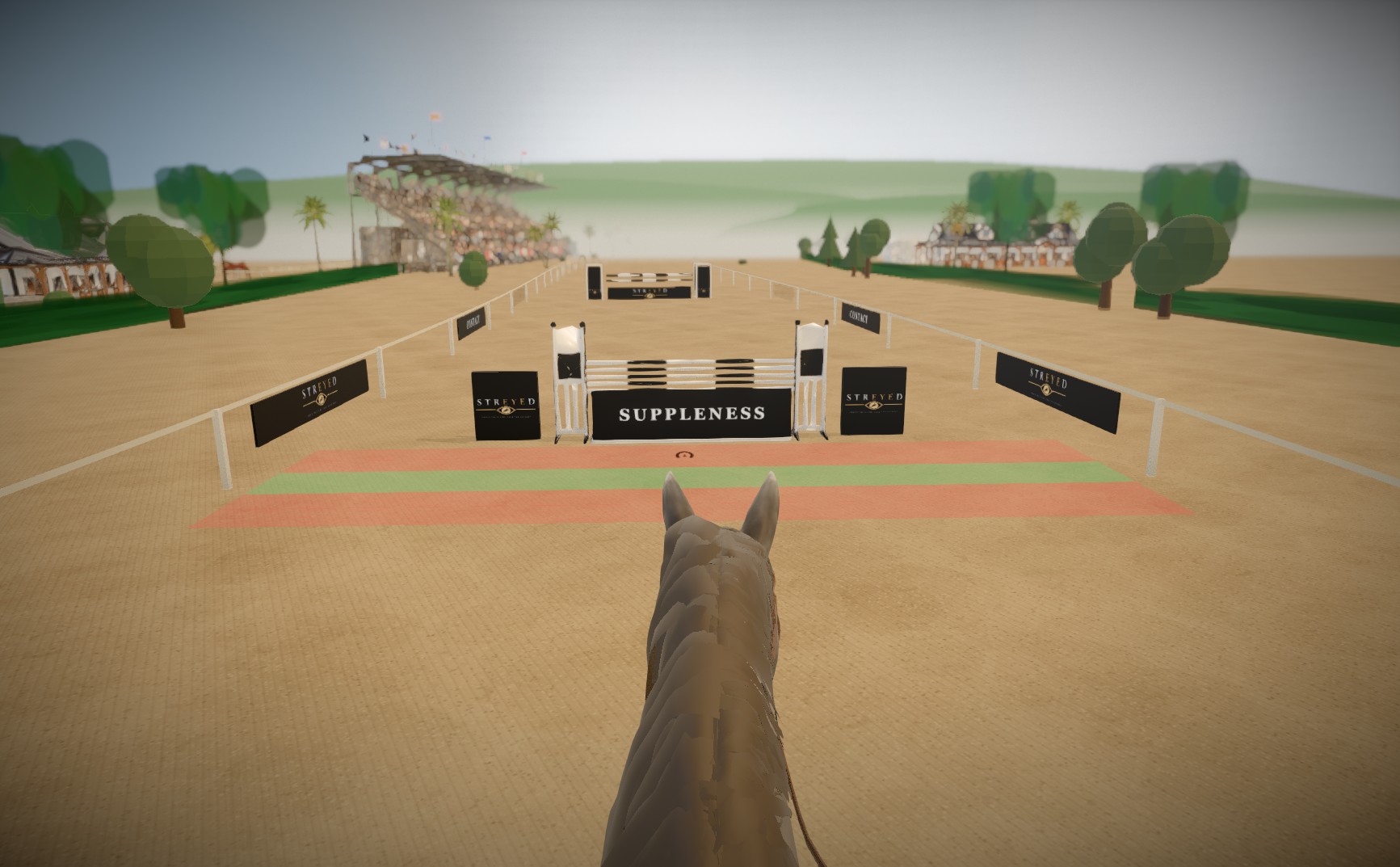
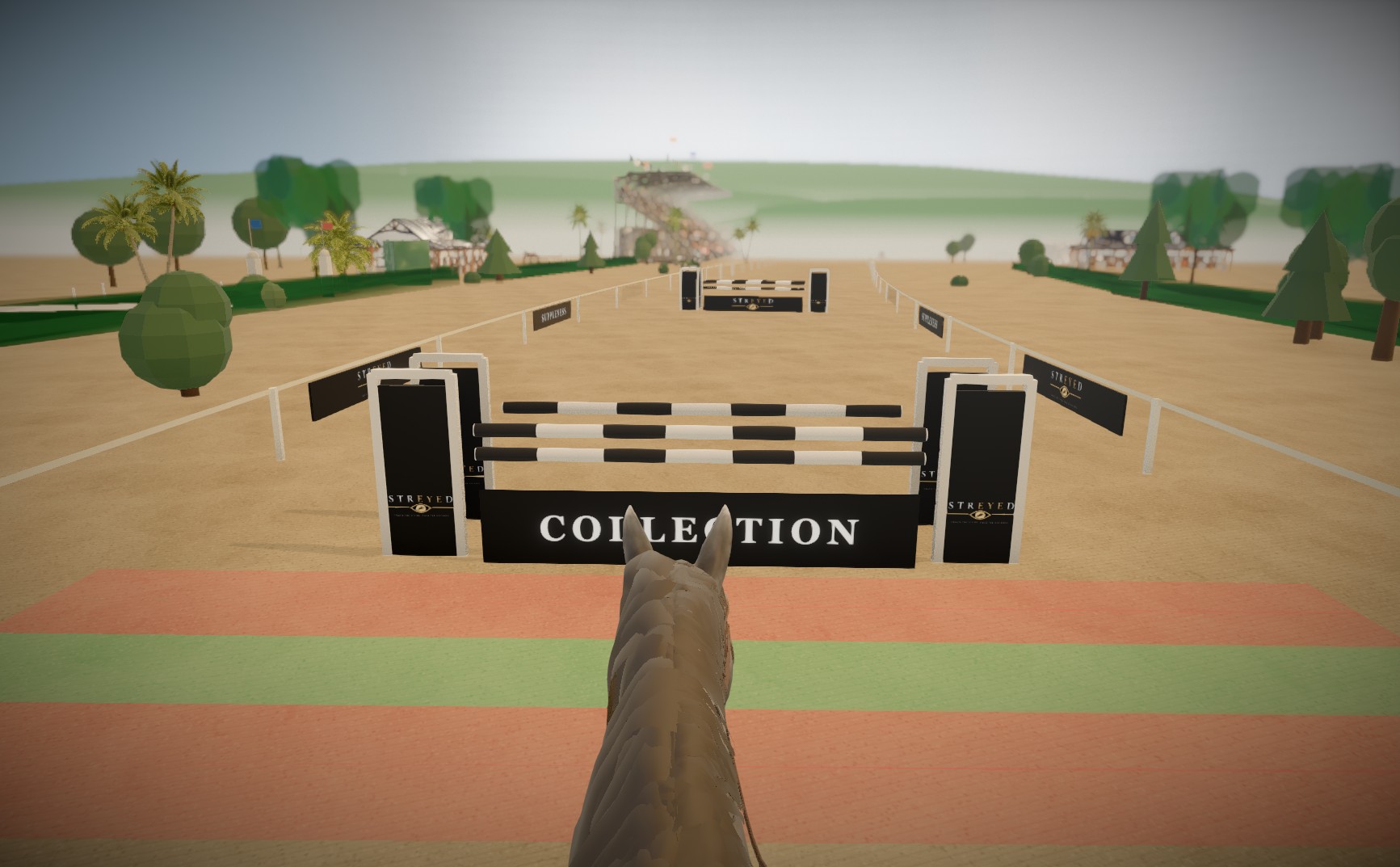
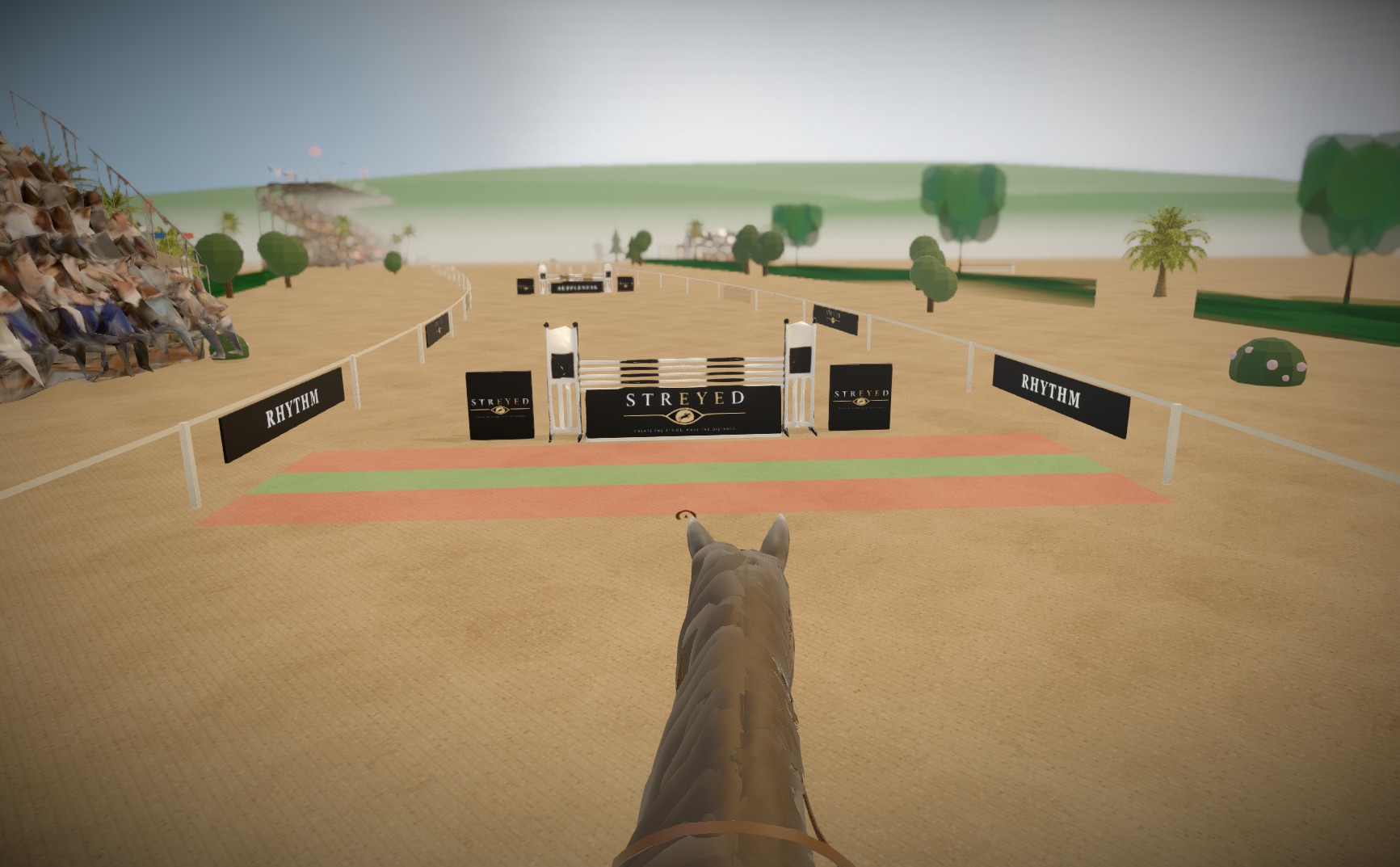
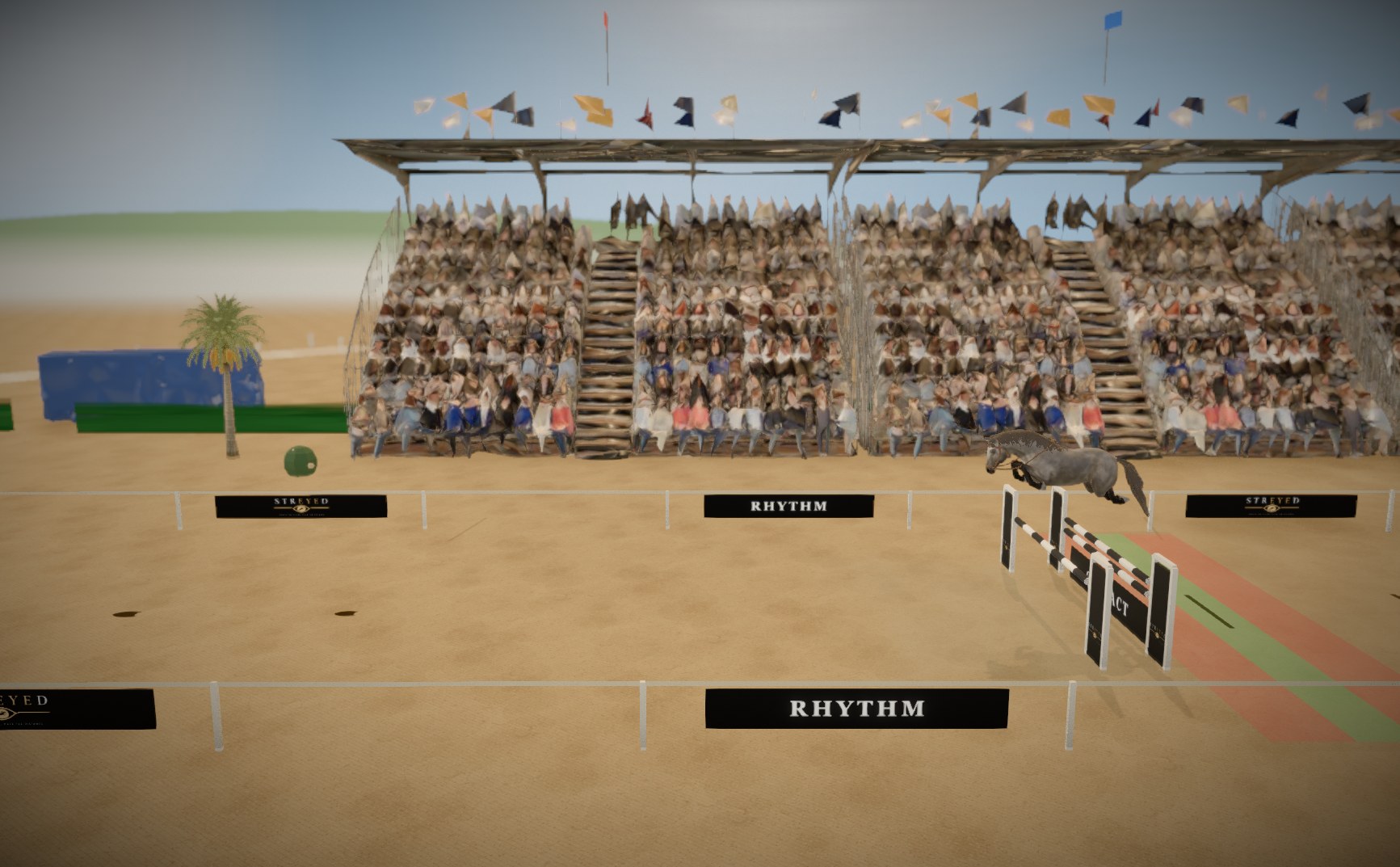
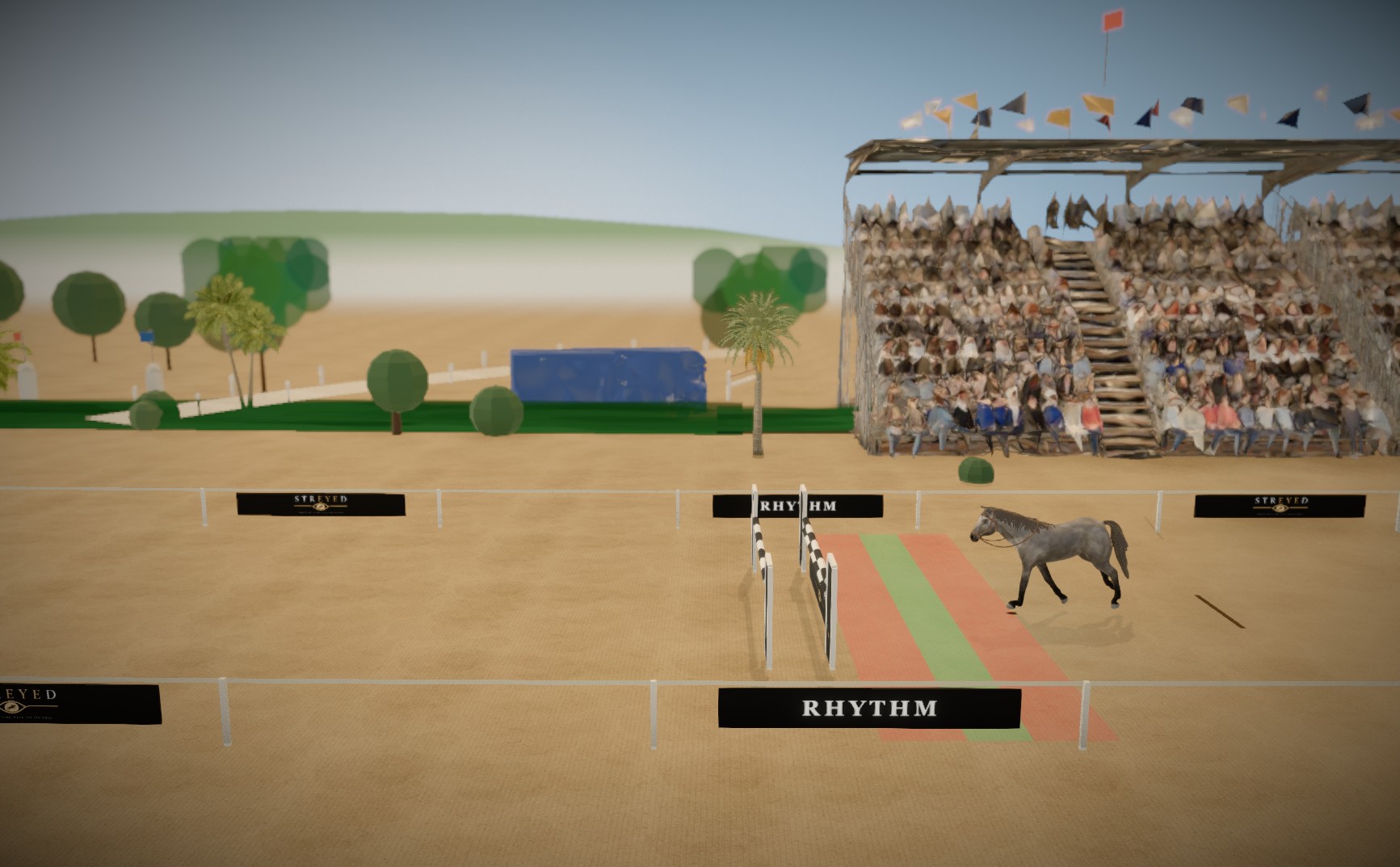
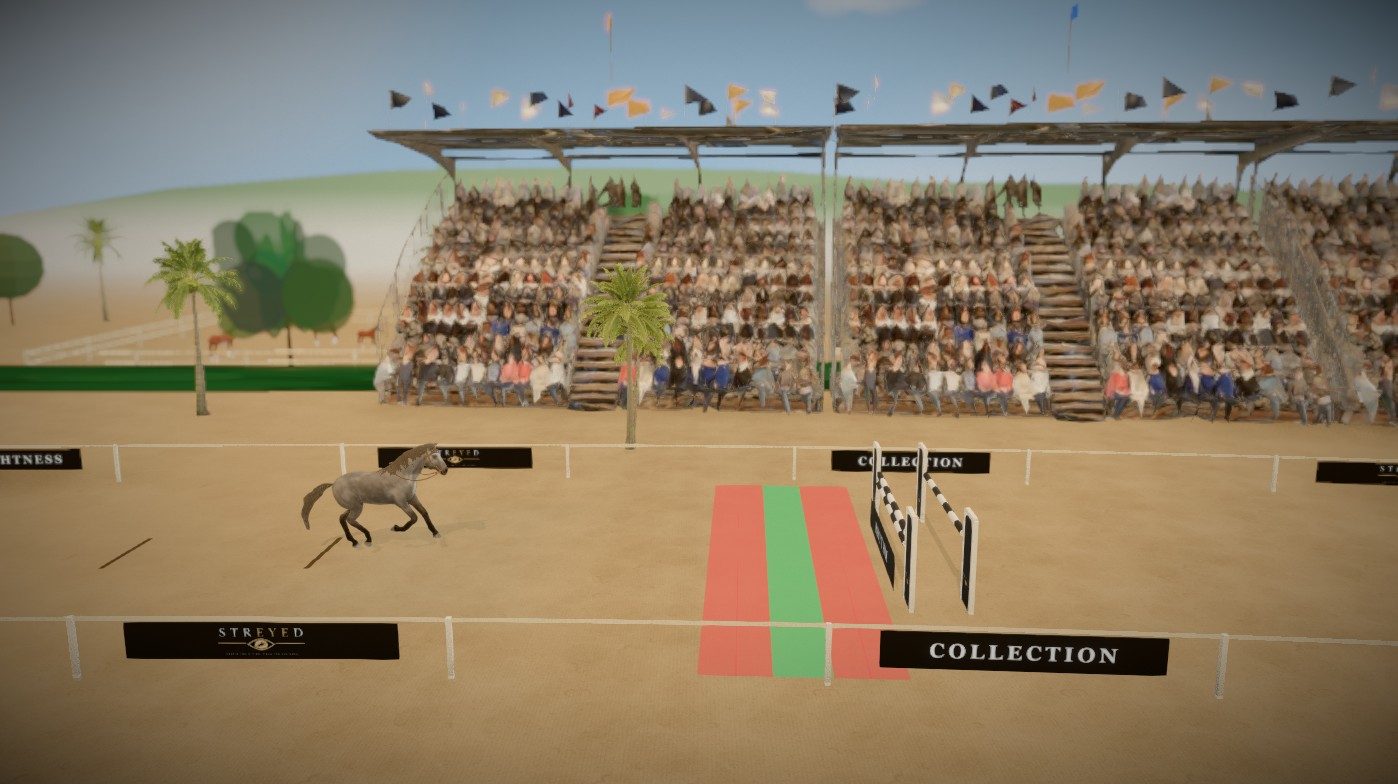
Streyed turns that skill into something a rider can practise anywhere. A schoolmaster called Napoleon canters to fence after fence on a phone, tablet or laptop. The rider reads each approach, makes a call and is told instantly whether they were right. Nine levels build the eye in layers, from holding a rhythm to riding the distance, and the scales of training sit on the fences and banners throughout, because a good eye complements good coaching and time in the saddle rather than replacing them.
Launched in 2026, Streyed is already played by riders in 115+ countries.
And on a horse the eye is only reading the approach for a few seconds per fence, from the turn to the last stride: two or three minutes of real practice a week.
How it works
- Napoleon canters to the fence on his own; the rider watches the approach.
- The rider makes the call: tap on the take-off, say whether the distance is good or off, count the strides, or ride the distance by lengthening or shortening his canter.
- Instant feedback on every fence: right or wrong, and by how much.
- Nine levels, in order: Rhythm, Jump timing, Read the distance, Stride control, Count down, See the distance, Half strides, Course, Ride the distance.
Fast facts
- Launched
- 2026
- Category
- Equestrian, training, website
- Levels
- Nine, from holding a rhythm to riding the distance yourself
- Platform
- Plays on the website, built for phones; no download
- Price
- 24 hours free, no card required. Then £5 a month in the UK, $7 in the US, €6 in the Eurozone, with local pricing in other markets
- Website
- streyed.com
- Available
- Worldwide
Numbers you can quote
- A typical first sitting is around 180 scored approaches in 20 minutes.
- A rider with one horse who jumps once a week might meet thirty fences, with the eye working for a few seconds on each.
- Riders in 115+ countries, on phones, tablets and laptops.
- Nine levels, every fence scored.
- 24 hours free with no card required, then from £5 a month.
Story angles
- Can riders learn to see a stride without riding?
- Training the hardest skill in jumping without a horse
- How technology is changing the way riders train
- The equestrian skill traditionally learned through hundreds of hours of repetition
- An equestrian game played in 115+ countries within months of launch
Images and downloads
Free to use in coverage of Streyed. Need a different crop or fresh gameplay stills? Email us and we will make them.


House style
Streyed, capital S, one word, pronounced “stride”. The spelling contains eye, a reference to the rider’s eye for a stride. The horse is Napoleon, a schoolmaster gelding: he, never it. The skill is “seeing a stride”; some riders call it seeing a distance, and both are right.
Press contact
hello@streyed.com. We reply the same day.
Colours and type
Black, ivory and one gold. Headlines in Cormorant Garamond, everything else in Jost, both free from Google Fonts.